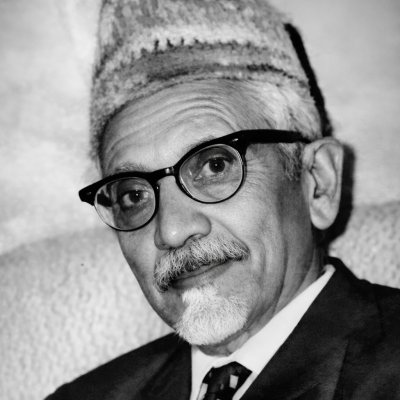
ای خدا ای قاضی الحاجات ماay Khodaa, ay Qaazi-ol-haajaat-e maaO God, O Fulfiller of our needs, از کرم می کن روا حاجات ماaz karam mi-kon rawaa haajaat-e maaout of Your generosity, grant our needs.
ما گنهکاریم بس شرمنده ایمmaa gonah-kaarim, bas sharminda-imWe are sinners, and deeply ashamed; پر معاصی بوده اما بنده ایمpor ma‘aasi boda, ammaa banda-imfull of transgressions, yet still Your servants.
بنده ایم و بندگی ننموده ایمbanda-im o bandagi na-namooda-imWe are servants, yet we have not served; راه عصیان هرزمان پیموده ایمraah-e ‘esyaan har zamaan paymooda-imat every moment we have walked the path of disobedience.
نفس و شیطان بوده خصم جان ماnafs o shaytaan boda khasm-e jaan-e maaThe self and Satan have been the foes of our soul; بوده هر یک رهزن ایمان ماboda har yak rah-zan-e imaan-e maaeach has been a highwayman on the road of our faith.
چون تو هستی خالق جن و بشرchoon to hasti khaaliq-e jinn o basharSince You are the Creator of jinn and humankind, وین بشر مایل بدی دایم بشرwin bashar maayel-e badi, daayem basharand humankind, ever inclined to evil, is only human:
از شر شیطان حمایت کن وراaz shar-e shaytaan hemaayat kon waraaprotect humankind from the evil of Satan; حربهٔ طاعت عنایت کن وراharba-ye taa‘at ‘enaayat kon waraabestow on humankind the weapon of obedience.
حربهٔ طاعت بدستش واگذارharba-ye taa‘at ba dast-ash waa-gozaarPlace the weapon of obedience in his hand, تا بجنگد با عدوی نابکارtaa bejanged baa ‘adoo-ye naabakaarso that he may fight the wicked enemy.
تا نماید نفس سرکش را علیلtaa nomaayad nafs-e sarkash raa ‘aleelso that he may cripple the unruly self, نزد او گردد عدو خوار و ذلیلnazd-e oo gardad ‘adoo khaar o zaleeland the enemy be left abject and humbled before him.
ای خدا ای خالق کون و مکانay Khodaa, ay khaaliq-e kawn o makaanO God, Creator of being and of place, توشهٔ طاعت ندارم این زمانtoosha-ye taa‘at nadaaram een zamaanI have no provision of obedience for this hour.
صبح من شام است از دست گناهsobh-e man shaam ast az dast-e gonaahMy morning is dusk because of sin; شام من تار است آوردم پناهshaam-e man taar ast, aawardam panaahmy evening is dark, and I have come to You for refuge.
در پناه عصمتت جایم بدهdar panaah-e ‘esmat-at jaayam bedehGive me a place in the refuge of Your protection; از کرم تاثیر در نایم بدهaz karam taaseer dar naayam bedehout of Your kindness, give my plaintive reed-flute the power to move.
قاضی مسکین ندارد طاعتیQaazi-ye meskin nadaarad taa‘atiPoor Qazi has no act of obedience to offer; خود نظر انداز سویش ساعتیkhod nazar andaaz sooyash saa‘aticast Your own glance toward him, if only for an hour.
از شر شیطان صیانت کن مراaz shar-e shaytaan seyaanat kon maraaGuard me from the evil of Satan; حربهٔ طاعت عنایت کن مراharba-ye taa‘at ‘enaayat kon maraagrant me the weapon of obedience.
نفس و شیطان دشمن جان من استnafs o shaytaan doshman-e jaan-e man astThe self and Satan are the enemies of my soul; از فسون شان حراست کن مراaz fosoon-e shaan heraasat kon maraakeep me safe from their spells.
عاقبت زینها عقوبت می شوم‘aaqebat az een-haa ‘oqoobat mi-shawamIn the end, because of these two I shall be punished; زین دو ظالم خود حمایت کن مراaz een do zaalem khod hemaayat kon maraafrom these two tyrants, protect me Yourself.
غیر درگاهت پناهی نبودمghayr-e dargaah-at panaahi nabodamI had no refuge other than Your threshold; عذر می آرم اجابت کن مرا‘ozr mi-aaram, ejaabat kon maraaI bring my plea of excuse: answer me.
قاضی الحاجات نبود جز تو کسQaazi-ol-haajaat nabood joz to kasThere is no one but You to fulfil needs; قاضی می گوید حفاظت کن مراQaazi mi-goyad, hefaazat kon maraaQazi says: keep me safe.
قطعه
ای خدا ای قاضی الحاجات ماay Khodaa, ay Qaazi-ol-haajaat-e maaO God, Fulfiller of our needs, دور گردان از کرم آفات ماdoor gardaan az karam aafaat-e maaout of Your kindness, turn our afflictions far away.
دور گردان از کرم اندوه و غمdoor gardaan az karam anduh o ghamTurn grief and sorrow far away, out of Your kindness, خود عنایت کن بما حاجات ماkhod ‘enaayat kon ba maa haajaat-e maaand bestow on us, Yourself, what we need.
Summary of the poem
A prayer in three movements. First, humankind is guilty and ashamed, yet still God’s servant. The self and Satan lie in wait on the road of faith, so the poet asks God to put the weapon of obedience in human hands. He has none himself, and asks for refuge and one glance of mercy for “poor Qazi”. Second, the same prayer in the first person: guard me from Satan and the self, for there is no refuge but God. Third, a closing quatrain in the shared voice: turn our afflictions, grief and sorrow away, and grant us what we need.