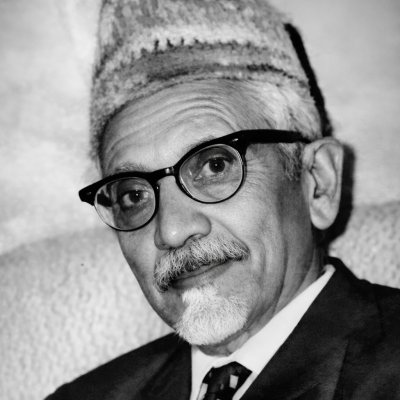
فصل دی آمد و بهار گذشتfasl-e dey aamad o bahaar gozashtThe season of winter has come and spring has passed; مستی عندلیب زار گذشتmastee-ye ‘andaleeb-e zaar gozashtthe intoxication of the plaintive nightingale is gone.
نه ز توتم خبر نه شاتوتیna ze tootam khabar na shaatootiThere is no news of mulberries, nor of the shah-tut; سیب و انگور و هم انار گذشتsib o angoor o ham anaar gozashtapples, grapes and pomegranates too have gone.
نیست اندر بساط ما طربیneest andar basaat-e maa tarabiThere is no joy left on our carpet; شام ما آمد و سحار گذشتshaam-e maa aamad o sahaar gozashtour evening has come and our dawn has passed.
دارم این آرزو ز ساقی میdaaram een aarezoo ze saaqi-ye meyI have this wish of the cupbearer of wine: قدحی سوی من که وار گذشتqadahi sooy-e man keh waar gozashta cup toward me, for my turn has passed.
ای مغنی طرب ز نو بنوازay moghannee tarab ze now bonawaazO singer, play joy anew, وقت چنگ و دف و سه تار گذشتwaqt-e chang o daf o seh-taar gozashtfor the time of harp, tambourine and sitar has passed.
قاضی با کلبهٔ خرابه بسازQaazi baa kolba-ye kharaaba besaazQazi, make do with the ruined hut; سیر نسرین و آبشار گذشتseyr-e nasreen o aabshaar gozashtthe strolls among eglantines and waterfalls are over.
Summary of the poem
A winter ode. As winter comes and spring and autumn’s fruits are gone, the poet longs for the cupbearer and asks the musician to play again for a time that has passed. The closing couplet tells Qazi to make do with his ruined hut, now that the walks among eglantines and waterfalls are over.